🇯🇵 日本語版は記事の下部にあります / Japanese version available below

Kenbishi, founded in 1505 with over 500 years of history, continues to craft its aged multi-vintage sake through an “unchanging method”. The brewery is the largest buyer of Special A District Yamada Nishiki rice (premium sake-specific rice) and operates an in-house woodworking shop, but Kenbishi hardly advertises these facts. I visited this brewery last month to reveal the stories behind it.
As a teenager, the name “Kenbishi” first made me think of Yuri Kenbishi, the wild heroine of the classic girls’ manga Yukan Club (“The Leisure Club”). Its super-rich high-school characters are named after famous sake brands—Shochikubai, Kikumasamune, Kizakura, and Hakushika. Because of that, I carried a mistaken impression: Kenbishi meant “super-rich,” a big corporation inclined toward mass production.
This assumption shattered at a sake event in Amsterdam when I tasted Nada no Ki-ippon. It had a yellowish color, rich umami, complex taste, and a lingering finish. Simply delicious. This unusual interest led me straight to Nada.
What I found there exceeded my expectations: a simple approach unchanged for centuries, no exaggeration, and an attitude focused entirely on quality.
📍 Who should read this article:
Sake lovers interested in sake and brewery stories behind them
Wine lovers who want to understand sake from a wine perspective
Those interested in Japanese craftsmanship
500 Years of History and Recovery from the Earthquake
At the beginning of its 500-year history in the Edo period (1603-1868), Kenbishi became so popular that drinking its sake had its own verb: “kenbiru.” However, this long history has not been smooth. Five different families have taken over as brewery owners while continuing to brew Kenbishi.
The Shirakashi family took over the business from the previous owner who faced bankruptcy due to the Meiji-era brewing tax (Note: This tax required payment when sake was brewed, not when shipped. This hurt Kenbishi, which specialized in storage for aging and blending). The fourth-generation president, Masataka Shirakashi, now leads the company.
Sake consumption in Japan has continued declining since its peak in 1973. Kenbishi produced 350,000 koku (one koku equals 180 liters) in 1975 but now produces only about 20,000 koku. While major breweries Hakutsuru and Gekkeikan still produce around 300,000 koku each, Kenbishi’s scale is about one-fifteenth of the biggest players. Production has shrunk to one-twentieth of what it was 50 years ago, but Kenbishi prioritizes quality over quantity and continues protecting its unchanging taste.
We must not forget January 17, 1995 - the Great Hanshin - Awaji Earthquake, a magnitude 7.3 disaster that killed over 6,400 people and destroyed more than 100,000 buildings.
“Before the earthquake, Kenbishi had eight brewery buildings. Seven wooden buildings collapsed, and only this one remained,” Mr. Haba says.
The only reinforced-concrete building, built 37 years earlier. Several employees died, and that year’s sake production stopped. However, they collected usable tools from the remaining building, rebuilt from there, added three more buildings, and established a four-brewery system. Due to market changes, they now operate with three breweries.
Kenbishi’s Commitment - Protecting Without Boasting
Kenbishi maintains several craftsman-like commitments.
The Largest Buyer Who Doesn’t Talk About Yamada Nishiki
Yamada Nishiki is like the “Chardonnay” of sake rice - a top variety. About 60-70% of all Yamada Nishiki grows in Hyogo, with Special A District being the highest grade. Kenbishi is the largest buyer of Special A District Yamada Nishiki rice, yet surprisingly only writes “domestic rice” on its labels.
“We wanted to make delicious sake and ended up using Yamada Nishiki as a result. We don’t want to say it’s delicious because we use Yamada Nishiki. A different rice variety might appear in the future,” Mr. Haba says.
However, they never compromise on quality. The president himself holds a rice inspector certification, visits rice fields, and grades each farmer and each field. “Even in the same district, this field and that field produce different quality” - he identifies these differences, grades them by company standards, and reflects this in sake brewing.
Aging and Blending - Sake Brewing
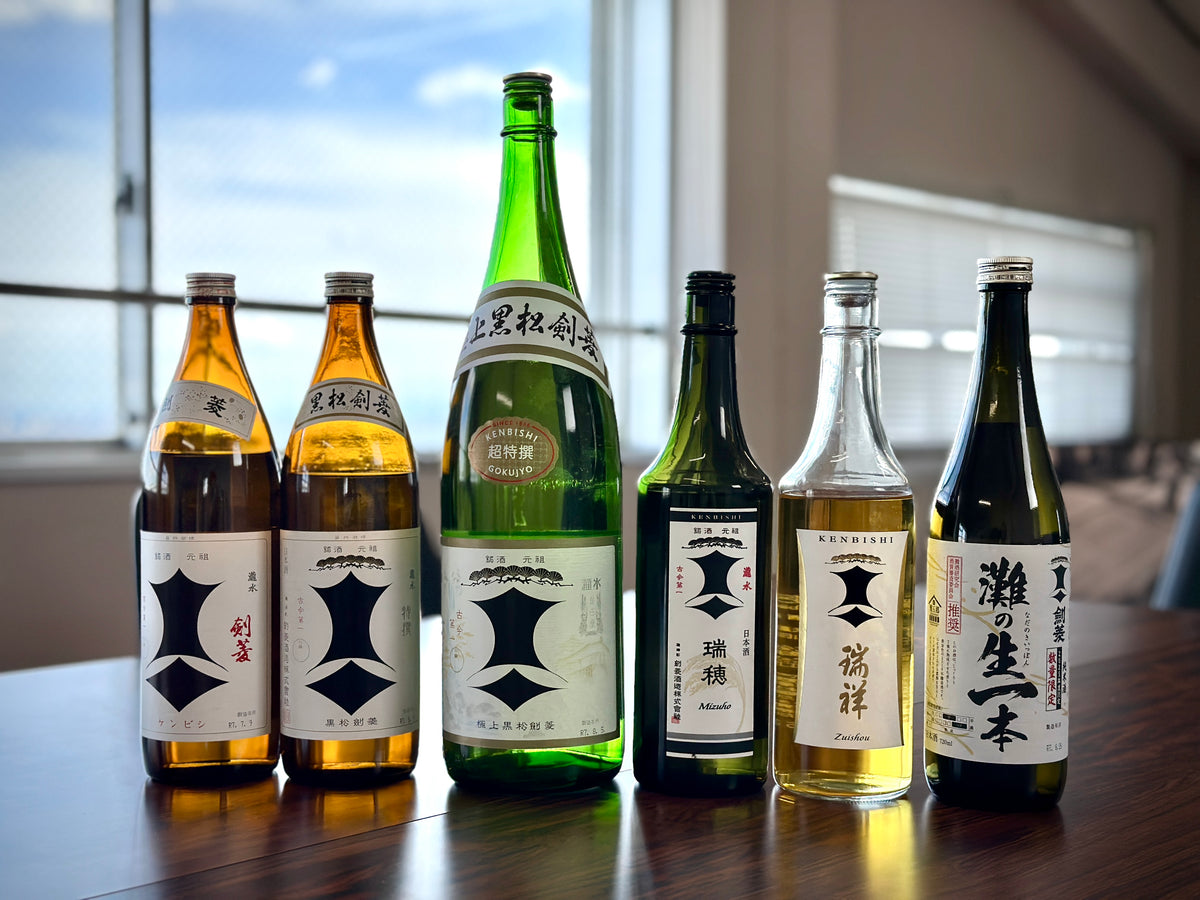
All Kenbishi sake is aged sake - specifically, aged sake blended from multiple years, like multi-vintage Champagne. They have used this same method since the Edo period. Other breweries make aged sake, but only Kenbishi makes nothing but aged sake. Their product lineup is remarkably simple. While many breweries offer nearly 30 different products with various rice types, polishing ratios, and seasonal varieties, Kenbishi’s six-product lineup stands out as unusual.
Moreover, they don’t display polishing ratios or junmai (pure rice) labels. There’s a reason for this. “The polishing ratio changes based on that year’s rice conditions, so we can’t display the polishing ratio after blending. Without displaying the polishing ratio, we can’t claim specially designated sake under current tax laws.” They prioritize unchanging taste over special designation status.
The Woodworking Shop Protecting the Last Traditions

Kenbishi’s Hama brewery includes an attached woodworking shop. Three craftsmen handmake sake brewing tools like wooden steaming vats (koshiki), warming barrels (danki-daru), and straw-wrapped barrels (komo-daru). The sight of wood from different regions lined up neatly surprises many visitors.

Kenbishi has become the guardian of traditional sake-making tools. When technologies necessary for sake making nearly disappeared, Kenbishi brought them in-house and protected them, all to protect Kenbishi’s unchanging taste. When the danki-daru craftsman became Japan’s last one, Kenbishi hired him as an employee. They had two young workers apprentice under him to pass on the technique. When the koshiki maker became the last one, they learned that technique too. They bought the manufacturing machine from the last straw rope maker and now produce it themselves.
Currently in the sake industry, some breweries are reviving wooden barrels for barrel brewing. Kenbishi accepts orders from other sake and soy sauce companies, supporting traditions not just for themselves but for the entire Japanese sake industry.

No Advertising - Commitment to Quality
Kenbishi tells visitors about these commitments but doesn’t openly explain them otherwise and hardly advertises. “We answer when asked, but we don’t write about it deliberately,” Mr. Haba says. The philosophy of “taste over titles” embodies the Japanese craftsman spirit.
Different Values for Aged Sake
Kenbishi’s aged sake, which represents its “unchanging taste,” receives different evaluations between Japan and overseas.
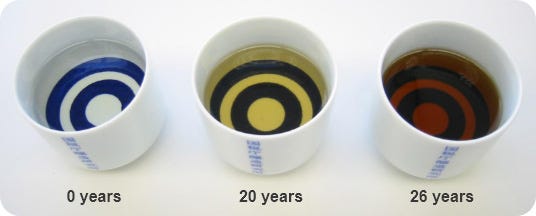
First, the color. Aged sake turns yellow depending on its condition through the Maillard reaction (a chemical reaction between amino acids and sugars). Kenbishi has loyal fans who appreciate this rich, aged flavor. However, in Japan’s sake market, fresh sake consumed within a year remains mainstream, and the aged-sake market is still relatively small. Since most consumers are accustomed to fresh, clear sake, some are surprised by the yellow color and occasionally ask if it’s defective. Kenbishi uses white bottles for its 5–15-year-aged “Zuishou” to show, rather than hide, the color that proves aging. In Europe, where people are familiar with aged beverages such as sherry and tawny port, this color is naturally accepted.
Best-selling products also differ. Kenbishi believes in maintaining “prices that regular customers can reach with a small stretch.” In the Japanese market, “Kuromatsu Kenbishi” and “Gokujo Kuromatsu Kenbishi” have established themselves as standard products sold in supermarkets nationwide. Meanwhile, the longer-aged “Mizuho Kuromatsu Kenbishi” and “Zuishou Kuromatsu Kenbishi” are mainly sold as gifts in department stores but account for only 1-2% of total sales.
However, exporting creates an interesting phenomenon. Price differences from Japan shrink overseas. Sake tax depends on volume regardless of price (about 90 yen per 900ml), and shipping costs are calculated by weight and size. A 1,000-yen sake and a 3,000-yen sake get the same shipping costs added, so price differences shrink dramatically compared to Japan.
This price structure change directly affects consumer choices. Products that account for over 90% of sales in Japan’s regular price range sometimes sell at a 3:7 or 4:6 ratio with higher-end, longer-aged products in France and Italy. As price differences shrink, consumers choose based purely on taste preference.
Tasting - Layers of Flavor Created by Aging

I tasted six types of Kenbishi sake. All are aged sake, and all blend multiple years. These sakes, made with methods unchanged for centuries, each showed different expressions.
Kuromatsu Kenbishi (1-3 year aged blend) The standard product with the youngest aging period. 17% alcohol content. Off-dry and rich with a full-bodied taste. Made to pair with simmered dishes and classic Japanese cuisine, which often use sweet rice wine (mirin).
Gokujo Kuromatsu Kenbishi (1-3 year aged blend) Made the same way as Kuromatsu Kenbishi but selecting only the best tanks. 16.5% alcohol content. Has a cleaner, sharper taste than Kuromatsu with higher acidity. Chilling brings out even more sharpness.
Mizuho Kuromatsu Kenbishi (2-8 year aged blend) Pure rice type without added brewing alcohol. Blends about four generations of sake - 2 years, 4 years, 6 years, 8 years, depending on the year. Elegant and complex taste. You can taste umami like soy sauce, making it easy to pair with food. Delicious to drink on its own, a well-balanced bottle.
Zuishou Kuromatsu Kenbishi (5-15 year aged blend) The product with the longest aging period. Deep umami and complexity like miso (fermented soybean paste). Full-bodied, with evaluations like “people who like Bordeaux wine will love this.” Aging has smoothed the edges, creating both mellowness and complexity.
Nada no Ki-ippon (7-year single vintage) The only vintage sake, not blended, from a single year. Limited production of 3,000 bottles per year. Surprisingly smooth with no bitterness or rough edges. Interestingly, it feels younger than Mizuho (2-8 year blend) and even refreshing. Not blending allows that year’s character to express itself directly.
What Kenbishi Teaches Us
“I don’t think anywhere else goes this far with in-house production,” Mr. Haba said while showing me around the woodworking shop. “Since sake sales won’t increase from this, we can only hope visitors will spread the word that ‘there were these unusual people.’”
500 years of history, recovery from the earthquake, and obsession with unchanging taste. Kenbishi’s stance might be one answer for the sake industry’s future. Not chasing scale, not chasing trends, just purely pursuing quality. The philosophy of “taste over titles” sounds surprisingly fresh in today’s information-overloaded world.
Next time Kenbishi is poured into your glass, beyond that golden color, you should see the unchanging production methods and the craftsmen who support them.
About Kenbishi Sake Brewery
Founded: 1505
Location: Higashinada-ku, Kobe City, Hyogo Prefecture
Main brands: Kuromatsu Kenbishi, Mizuho, Zuishou, Nada no Ki-ippon
Production: About 20,000 koku (3,600 kiloliters)
Features: All products are aged sake, multi-year blends, traditional production using wooden tools
How to obtain in the Netherlands: Kenbishi is available in the Netherlands through Otemba Sake. Based in Amsterdam, they deliver carefully selected sake to Europe with proper temperature control. Website: www.otemba.eu

I would like to thank Mr. Haba from Kenbishi for sharing insightful stories during my visit, and to Otemba Sake for making this connection possible.
Stay in the loop
New arrivals, workshop dates, and sake worth knowing about — straight to your inbox.
剣菱酒造インタビュー:500年変わらぬ味を守る、灘の異端児

兵庫県灘の剣菱酒造を訪問し、営業担当の幅さんに話を聞いた。1505年創業、500年以上の歴史を持つ剣菱は、熟成とブレンドによる「変わらぬ味」を守り続けている。特A地区山田錦の最大の買い手でありながらそれを語らず、木工所を併設して伝統技術を内製化し、広告もほとんど打たない。シャンパーニュのような複数年度ブレンドで造る熟成酒の世界を探る。
最初に「剣菱」と聞いて思い出すのは、少女漫画『有閑倶楽部』の破天荒なお嬢様、剣菱悠理だ。松竹梅 魅録、菊正宗 清四郎、黄桜 可憐、白鹿 野梨子。名だたる”酒銘”がずらり並ぶ超大金持ちの高校生が活躍する学園コメディ。この世界観が好きだというと、世代がわかってしまう。気づけば、剣菱=超お金持ち=大手=大量生産という先入観を持っていた。
そんな思い込みが覆されたのは、アムステルダムの酒イベントでのことだった。蔵の幅さんが注いでくれた「灘の生一本」は、黄色みを帯びた色、ふくよかな旨味、そして複雑に続く余韻があった。素直に美味しい。いつもとは異なる興味も重なり、日本に戻ると真っ先に灘へ向かった。そこで見たのは、シンプルで、数百年変わらず、口数は少なく、質を追求する想像をはるかに越える姿勢だった。
📍この記事を読んでほしい人
日本酒に興味がある人、酒蔵の話を知りたい人
日本の職人気質に興味がある人
ワインの観点で日本酒を理解したい人
500年の歴史、そして震災からの復活
剣菱酒造は1505年(永正2年)の創業から500年以上の歴史を持つ。江戸時代には大ブームとなり、「剣菱を飲む」ことを「けんびる」と呼ぶほどの人気を博した。しかし、その長い歴史は決して平坦ではなく、五家にわたって蔵元が交代しながら剣菱を造り続けてきた。
明治の造石税導入(注:お酒を造った時点で税を納める税制。熟成とブレンドを目的とした貯蔵を得意とする剣菱にとって大きな痛手となった)による廃業危機に陥った先代の蔵元から白樫家が事業を引き継ぎ、現在は4代目の白樫政孝社長が舵をとる。
日本酒の消費量は1973年をピークに減少し続けている。剣菱も1975年には35万石を生産していたが、現在は約2万石(1石=180リットル)。最大手の白鶴や月桂冠が現在も30万石前後を生産する中、剣菱の規模は大手の15分の1程度となった。50年前と比べて生産規模は20分の1に縮小したが、量より質を優先し、剣菱は変わらぬ味を守り続けている。
忘れてはいけないのが、1995年1月17日、阪神淡路大震災だ。
「震災が起こる前まで、この界隈に8カ所の蔵がありました。7個の蔵は倒壊したんです。木造の蔵が全部倒壊して、ここだけ残った」と幅さんは語る。
37年前に建てられた唯一の鉄筋コンクリート造の蔵。従業員も数名が犠牲となり、その年の酒造りは中止。しかし、残った蔵から使える道具を集め、そこから再建して3つの蔵を増やし、4蔵体制を築いた。現在は市場環境の変化により3蔵で操業している。
剣菱のこだわり——語らずして、守り抜く
剣菱には、職人気質のこだわりがある。その一端を紹介したい。
山田錦を語らない、最大の買い手
驚くべきことに、剣菱は特A地区山田錦の最大の買い手でありながら、ラベルには「国産米」としか記さない。山田錦といえば、ワインで言えば「シャルドネ」のような優等生の米品種、さらに、全国の山田錦の6〜7割が兵庫県産、その中でも最高級が特A地区産だ。
「美味しい酒を作ろうと思ったら、結果的に山田錦を使っただけ。山田錦を使っているから美味しいっていうふうにしたくないし、将来もっと違う米ができるかもしれない」と、幅さんは語る。
しかし、品質へのこだわりは妥協しない。社長自らが米の鑑定士資格を持ち、田んぼに足を運び、農家ごと、田んぼごとに等級をつける。「同じ地区でもこっちの田んぼとあっちの田んぼで出来が違う」——その違いを見極め、自社基準で等級付けし、酒造りに反映させる。
熟成とブレンド——酒造り
剣菱の酒は全て熟成酒、それも複数年度ブレンドしている熟成酒、シャンパーニュでいうところのマルチヴィンテージだ。江戸時代から変わらぬ造り。熟成酒を造っている酒蔵は他にもあるが、熟成酒しか造っていないのは剣菱だけだという。そして、その商品構成はとてもシンプルだ。米の品種や精米歩合の違い、季節の酒が加わり、30銘柄近くを出す酒蔵が多い中、たった6種類の商品構成は異色の存在だ。
しかも、精米歩合も表記していないし、純米の表記もない。それには理由がある。「その年の米の状況によって精米歩合が変わるから、ブレンド後の精米歩合を表記できない。精米歩合を表記しないので、現在の酒税法上は、特定名称酒を名乗れない」のだそうだ。特定名称酒を名乗れなくても、変わらぬ味を優先する。
木工所が守る、最後の伝統

剣菱酒造の浜蔵には木工所が併設されている。3名の職人が甑(こしき)、暖気樽(だきだる)、菰樽(こもだる)などの酒造道具を手作りしている。異なる産地の木材が整然と並ぶ光景は、多くの見学者を驚かせる。
日本の酒作りに必要な技術が途絶えそうになった時、その技術ごと内製化し、保護してきた結果だ。剣菱の変わらぬ味を守るためだ。木工所では、暖気樽の職人が日本最後の一人となった時、剣菱は彼を社員として雇用。若手2名を弟子入りさせ、技術を継承。甑のメーカーも最後の一軒になると、その技術も習得。菰樽に巻くわら縄も、最後のメーカーから製造機ごと買い取り自社生産している。

現在、日本酒業界では、木製の木桶を復刻させて、木桶仕込みを行う蔵が出て来ている。剣菱では、他の日本酒・醤油会社からの注文も請け負っており、自社のためだけでなく、日本酒業界全体の伝統を支えている。

広告をしない——品質へのこだわり
そして、剣菱では上記のこだわりを蔵に訪れた人に伝える他は、特に表立って説明しないし、広告もほとんど打たない。「聞かれたら答えるけど、あえて書きません」と、幅さんは語る。「肩書きより味」という哲学は、日本の職人魂の塊だ。
熟成酒に対する異なる価値観
原材料にこだわり、手間暇かけて”変わらぬ味”を守る剣菱の熟成酒への評価は、日本と海外で大きく異なる。
まずは色だ。熟成酒はメイラード反応により黄色く色づいている。日本では、日本酒は無色透明だと誤解する消費者も多く、黄色く色づいた日本酒を「不良品」とするクレームが寄せられることがある。剣菱が5〜15年熟成の「瑞祥」に白いボトルを採用したのも、熟成の証である色を隠さず見せるためだ。シェリーやポートといった熟成酒に親しむヨーロッパでは、この色は自然に受け入れられているようだ。
売れ筋商品も異なる。剣菱には「一般の客が少し背伸びしたら手の届く価格」を保つという信念がある。日本市場では「黒松剣菱」「極上黒松剣菱」が全国のスーパーマーケットで販売される定番商品として定着している。一方、熟成期間の長い「瑞穂黒松剣菱」や「瑞祥黒松剣菱」は主に百貨店で贈答用として扱われるが、全体売上の1〜2%に過ぎない。
ところが、輸出によって興味深い現象が起きる。日本での価格差が海外では縮小するのだ。酒税は価格に関係なく容量で決まり(900mlあたり約90円)、輸送費も重量とサイズで計算される。1,000円の酒も3,000円の酒も同じ輸送コストが上乗せされる結果、現地での価格差は日本より大幅に縮まる。
この価格構造の変化は、消費者の選択に直接影響を与える。日本では売上の9割以上を占める普及価格帯の商品が、フランスやイタリアでは熟成期間の長い上位商品と3対7、あるいは6対4の割合で売れることもある。価格差が縮小することで、純粋に味の好みで選ばれるようになるのだ。
テイスティング——熟成が織りなす味わいの階層

剣菱の6種類の酒を試飲した。全て熟成酒、そして複数年度をブレンドした酒だ。数百年変わらぬ製法で造られた酒は、それぞれに異なる表情を見せた。
黒松剣菱(1〜3年熟成ブレンド) 最も若い熟成期間の定番商品。アルコール度数17%。甘やかでコクがあり、こっくりとした味わい。みりんを使った煮物や古典的な日本料理との相性を考えて造られている。「当時の日本人が食べていた、今より味の濃い料理に合うように」という江戸時代からの哲学が生きている。
極上黒松剣菱(1〜3年熟成ブレンド) 黒松剣菱と同じ造りだが、出来の良いタンクだけを選定。アルコール度数16.5%。黒松に比べてさっぱりとした切れ味があり、酸がより強く感じられる。冷やすとさらにキレが際立つという。
瑞穂黒松剣菱(2〜8年熟成ブレンド) 純米タイプで醸造アルコール無添加。2年、4年、6年、8年など、その年によって4世代ほどの酒をブレンド。上品でまとまりのある味わい。醤油のような旨味が感じられ、食事と合わせやすい。「そのまま飲んで美味しい」と評される、バランスの取れた一本。
瑞祥黒松剣菱(5〜15年熟成ブレンド) 最も長い熟成期間を誇る商品。味噌のような深い旨味と複雑さ。フルボディで、「ボルドーワインが好きな方は大好きだと思う」という評価。熟成により角が取れ、まろやかさと複雑さが同居している。
灘の生一本(7年単一熟成) 唯一のヴィンテージ酒で、ブレンドしない単一年度の7年熟成。年間3,000本限定生産。驚くほど滑らかで雑味がない。興味深いことに、瑞穂(2〜8年ブレンド)よりも若く感じられ、爽やかですらある。ブレンドしないことで、その年の個性がそのまま表現される。
剣菱が教えてくれること
「ここまでやってるところもないと思います」と幅さんは木工所を案内しながら語った。「酒の売上が伸びるわけではないので、見学いただいた方に『こんな変わったやつがいたんだよ』という口コミで広めてもらうしかない」
500年の歴史、震災からの復活、そして変わらぬ味への執着。剣菱の姿勢は、日本酒業界の未来への一つの答えかもしれない。規模を追わず、流行を追わず、ただひたすらに品質を追求する。「肩書きより味」という哲学は、情報過多な現代において、かえって新鮮に響く。
次にグラスに注がれた剣菱を飲む時、その黄金色の向こうに、数百年変わらぬ製法と、それを支える職人たちの姿が見えるはずだ。
剣菱酒造について
創業:1505年(永正2年)
所在地:兵庫県神戸市東灘区
代表銘柄:黒松剣菱、瑞穂、瑞祥、灘の生一本
生産量:約2万石(3,600キロリットル)
特徴:全商品が熟成酒、複数年度ブレンド、木製道具による伝統製法
オランダでの入手方法 剣菱はOtemba Sake(オテンバ・サケ)を通じてオランダで購入可能。アムステルダムを拠点に、厳選された日本酒を適切な温度管理のもとヨーロッパに届けている。

今回の訪問で示唆に富む話をしてくれた剣菱酒造の幅さん、そしてこの出会いを繋いでくれたOtemba Sakeチーム、本当にありがとうございました。
お読みいただき、ありがとうございます!いいね、コメント、重ね読み、購読でサポートしていただけると嬉しいです。
ニュースレターを購読する
新入荷情報、ワークショップの日程、注目の日本酒をお届けします。